
THE NIGHT THE CAMP SLEPT CHILL
It was late April at Cowichan Lake, the kind of evening that tricks you.
The day had been warm enough that you stopped thinking about gloves. The sun had a longer spring angle. The lake looked calm, and the forest around the water had that fresh, damp-green smell that makes you want to stay outside until the campfire dies.
We were out at our buddy’s parents’ rec site, tucked right along the forested lake edge. It was his birthday, and it felt like a classic Island plan: get everyone together, light a fire, tell the same stories you always tell, roast hot dogs, and call it a perfect night.
The only problem is that late April on Vancouver Island can still bite, and it bites hardest right there by the water.
That was the night I stopped pretending I’m a tent guy.
The Setup
We rolled in with a bunch of friends, the kind of group where everyone has their own “system.” Someone had a tent that looked like it belonged on a mountaineering trip. Someone had a cot and someone had an air mattress that they swore would stay inflated all night. Spoiler: it did not.
My partner and I had our own system too. It was just quieter.
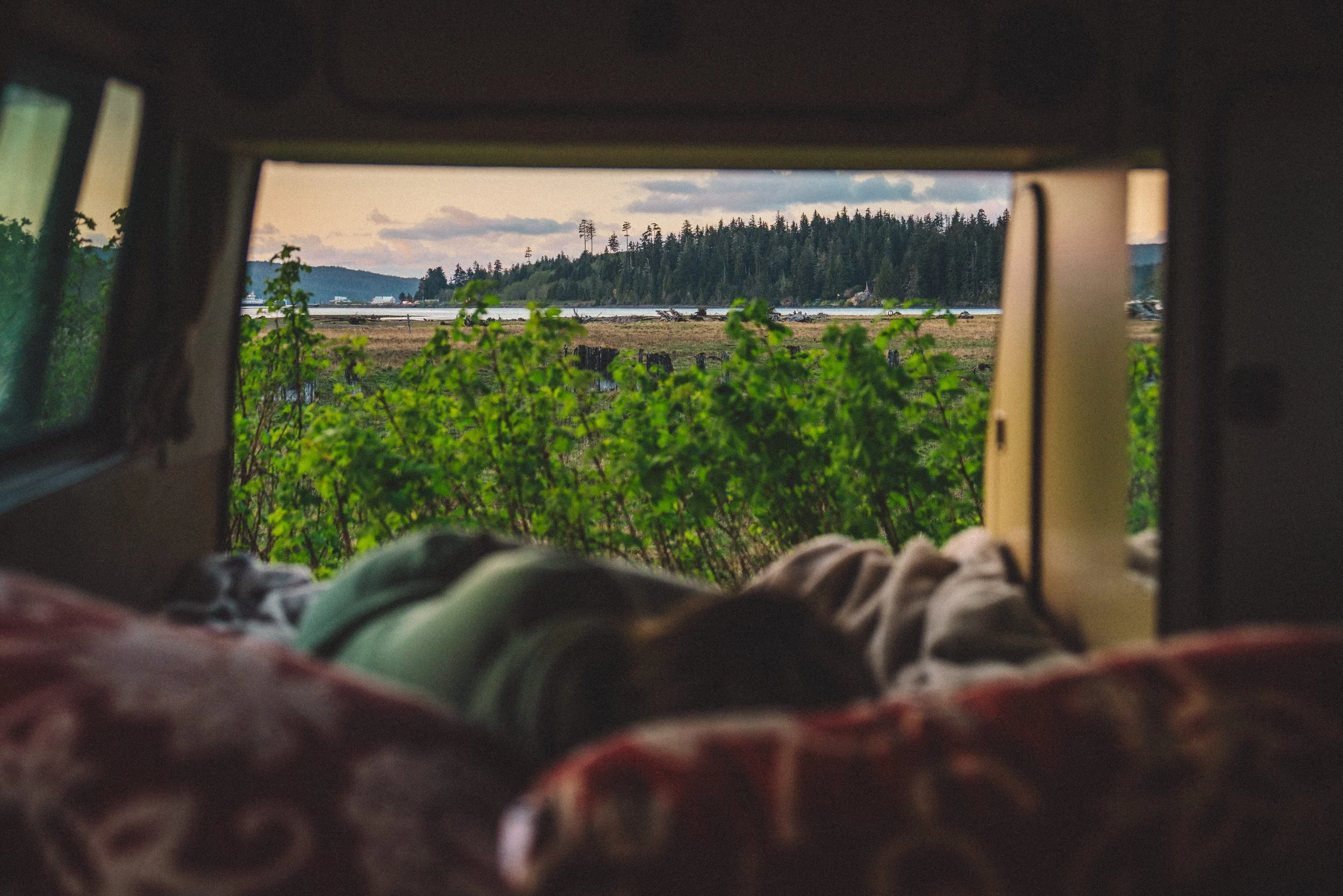
Once we park the van and unload the chairs and cooler, the last thing we do is make the bed. Sheets on, blanket laid out, pillows where they belong. It’s not glamorous, it’s just a ritual that means when darkness drops, and the fire starts to fade, we can roll into bed like we’re at home. No headlamps. No fumbling with corners of fitted sheets in the cold.
If I’m honest, that one habit is half the reason van camping works for me.
Clear Skies, Cold Nights
The sky that night was clear and starry, which is always a nice mood until you remember what clear skies actually mean in early spring.
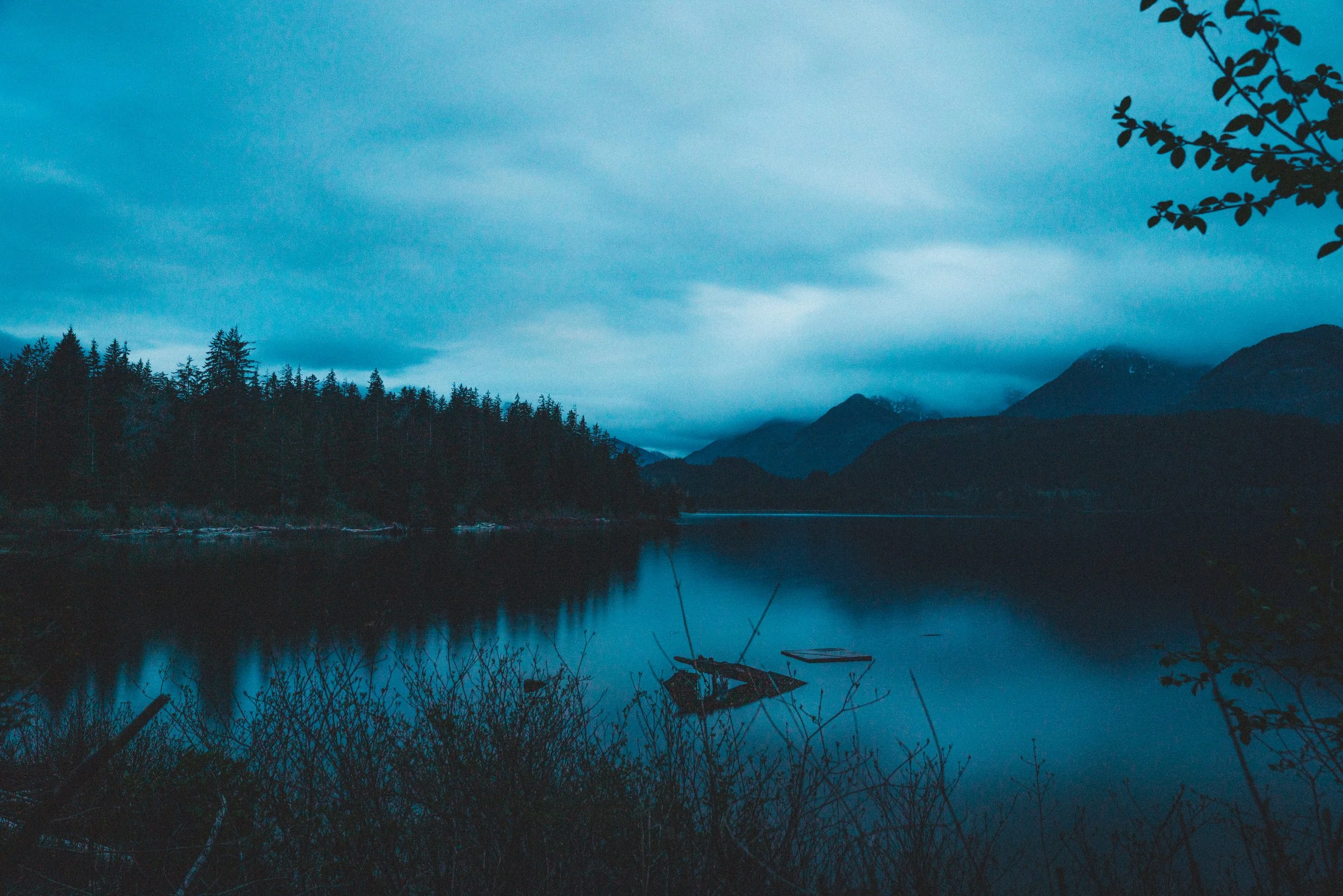
One thing people don’t think about on the West Coast is that those rain clouds can act like a blanket. A grey night can hold onto some of the day’s warmth, and you wake up to a surprisingly mild morning. Clear skies do the opposite. All that heat just slips away, and the air settles into that still, frosty quiet that makes you see your breath when you step outside.
Closer to the lake edge, it felt even colder. The forest goes quiet, the surface of the water goes dark, and the temperature drops like someone turned a dial.
I could hear it in the camp too. The fire was still going, but people were pulling their shoulders in, leaning closer to the flames, trying not to admit they were cold yet.
When the Fire Dies
There’s a moment that happens at every campfire, no matter how good the night is.
The stories start trailing off. The laughing gets a little softer. Someone yawns, and suddenly the whole group remembers they have to go to bed.
You can hear the shift. A bit of rustling. Zippers. The squeak of someone stepping into a tent. Then the sigh. Not a dramatic one, just that small sound of acceptance when you leave the last warmth you’ve got.
That night, a bunch of our friends crawled into chilly tents with cots or air mattresses, and I watched it happen with this quiet sense of gratitude that surprised me.
Because while they were doing the cold shuffle and trying to convince themselves their sleeping bags were enough, my partner and I were heading into our home on wheels.
Home on Wheels
We left the pop-top down to keep a bit of the heat in. When it’s warm, I love having the top up. It feels airy, like a little cabin. When it’s cold, I want the van to feel like a small, cosy space that can hold onto warmth.
Then we closed the vents.
That’s a lesson from winter living that I still carry. Old vans have quirks, and the wet coast has its own rules. If you forget the vents on a chilly night, the van will remind you. I remembered this time.
We climbed into the futon bed, pulled the duvet blanket over us, and just listened for a second. The last crackle of the fire outside. The muffled sounds of tents settling. The lake doing that quiet lake thing where it feels like the whole world is holding still.
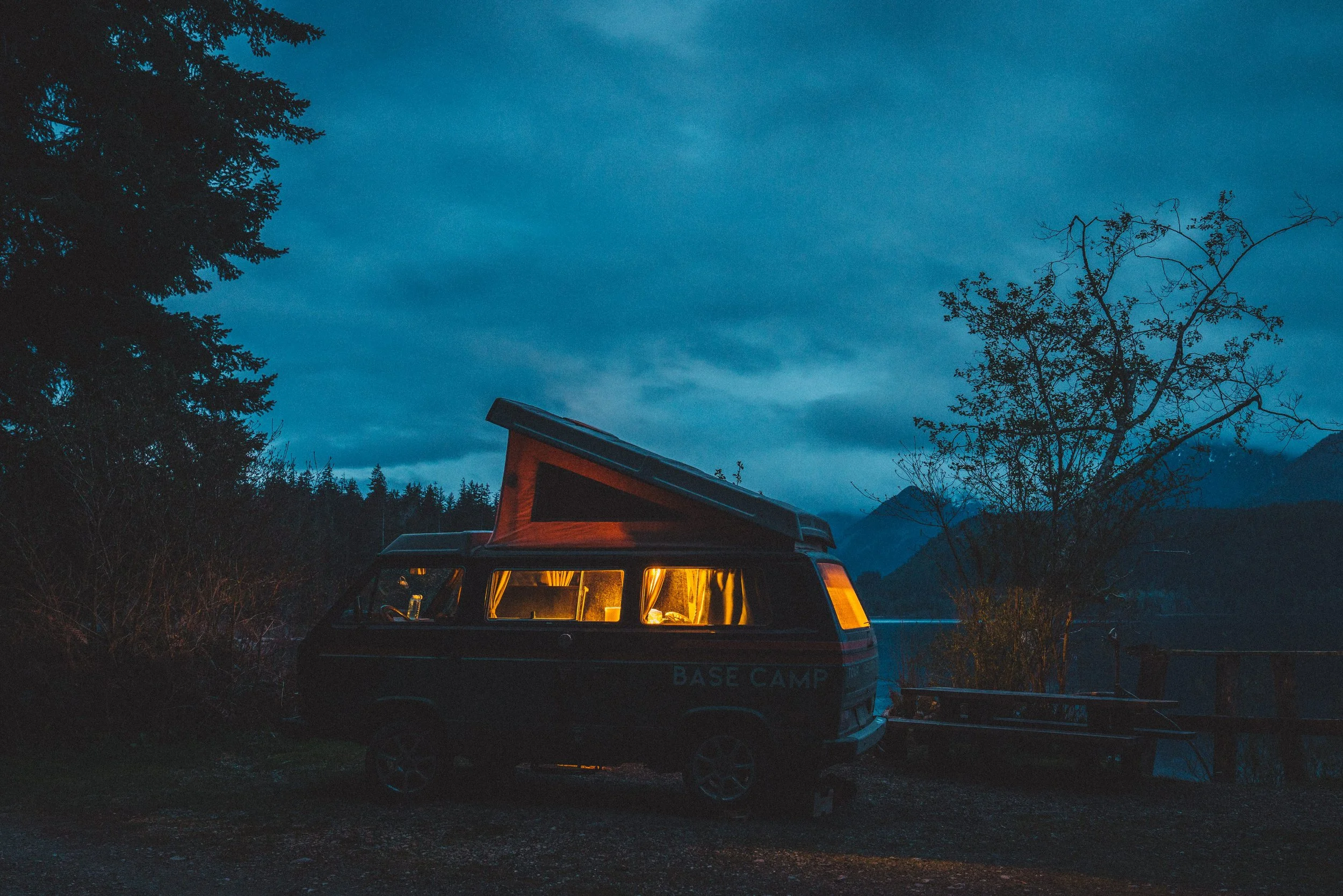
The Westy warmed up fast with two people tucked in. It also loses heat fast. It’s a small cab, not a cabin, and you can feel how quickly it reacts to the night air. But that night, with the top down, the vents closed, and our setup dialed, we slept so well.
And that’s when it clicked.
This wasn’t glamping. We were still camping. We were still outside. We still smelled like campfire and hot dogs. We just weren’t sleeping on the ground, and we weren’t starting the next day already wrecked.
That’s the difference.
Frost on the Moss
Morning came the way it does in early spring, quietly and cold.
I woke up warm, but the second I cracked the door, I could feel it. That sharp air. The kind that clears your head in one breath.
I fumbled for my big hoodie and stepped outside.
My breath hung in front of me. The moss around camp had a layer of frost, as if it had been dusted overnight. The tents looked damp, and you could see the cold in the way they sat. A couple of sleeping bags were draped out, trying to air out that clammy chill. And sure enough, one of the air mattresses had done what air mattresses do when the temperature drops. Half-deflated, like a sad balloon.
Inside the van, the windows had stayed mostly clear. Not perfect. There was still a little condensation from whatever humidity didn’t freeze, but it felt manageable. It felt like a small problem, not a battle.
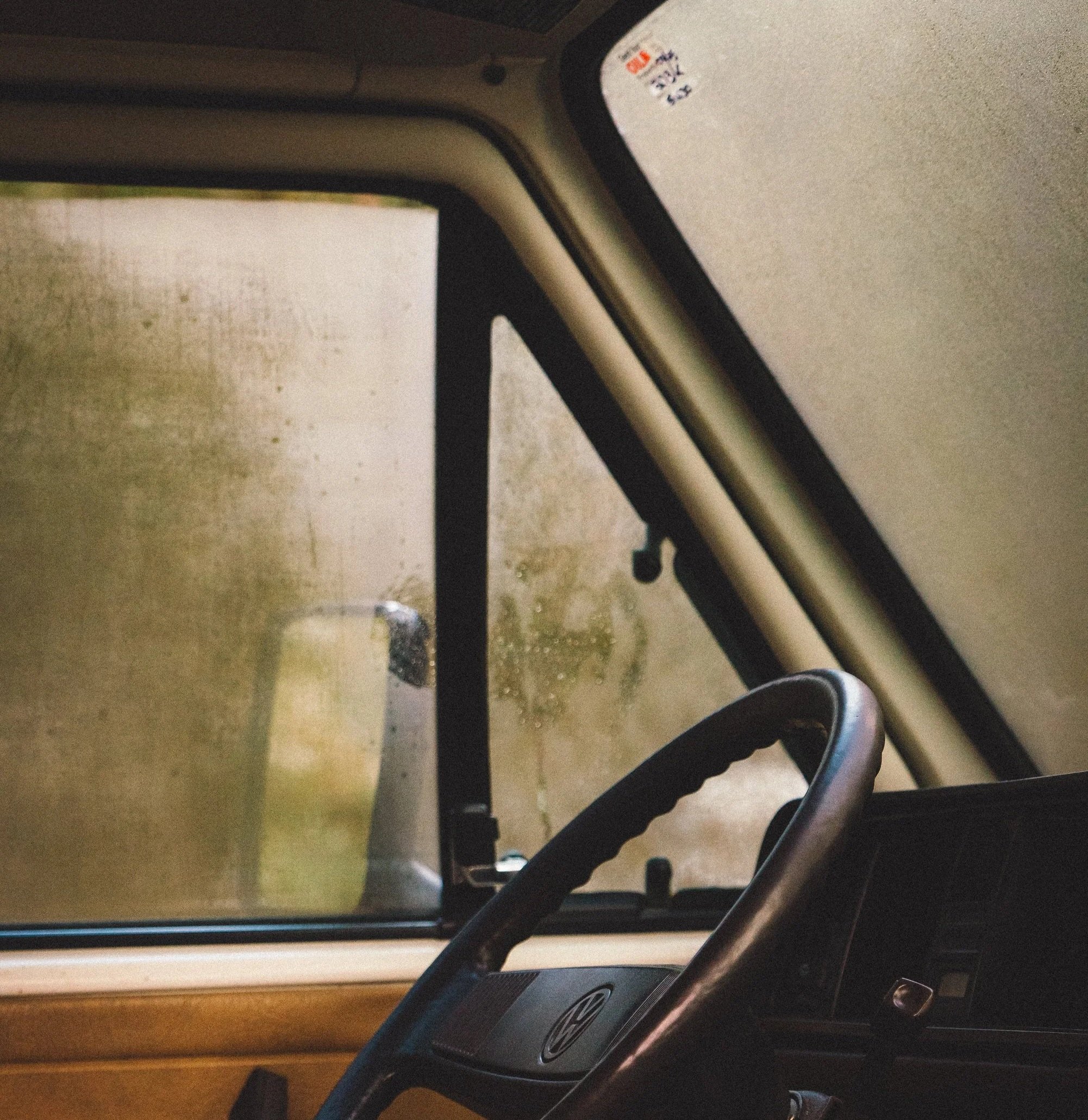
My first thought when I opened the door was my partner telling me to close it, fair enough. Cold air moves fast when you’re living in a warm little box.
My second thought? Better get the fire going.
So I did. Hoodie on, sleeves pushed up, hands working on kindling. There’s something about being warm enough to move with intention that changes everything. You’re not just trying to survive the morning. You’re starting the day.
What That Night Changed
Here’s the truth: I still like it rugged. I still want the forest. I still want the lake edge, the cedar smell, the smoke in my clothes, and the quiet that only happens when you’re sleeping outside.
I just don’t want to wake up wrecked.
That night at Cowichan Lake, I realized something simple.
A good sleep is the difference between surviving a trip and actually enjoying it.
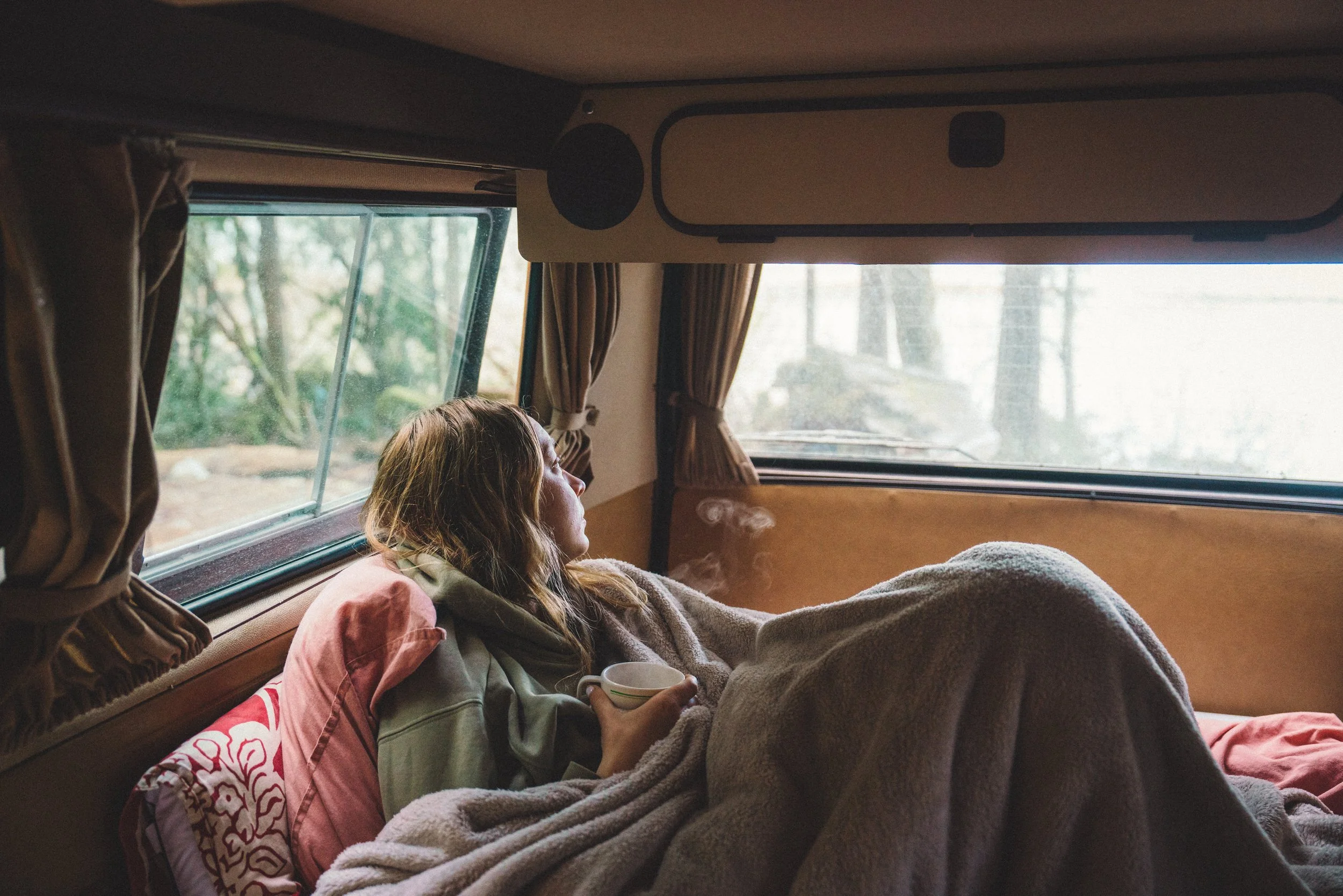
Not because comfort is the goal, but because sleep is fuel. Sleep is what lets you wake up and go for the cold morning swim if you’re that person. Sleep is what makes the fresh, brisk air welcome. Sleep is what gives you patience when the forecast changes, or the ferry line is long, or the rain shows up sideways.
Sleeping well is not a luxury. It’s practical. It’s that middle ground between “stick it out” and “why even bother.”
And for me, it was the defining night I decided to never tent again.
Early Spring Island Nights: What I Do Now
If you’re thinking about camping in April, especially on the coast, here’s what I actually do now.
Assume clear skies mean frost. Pack for the night, not the afternoon. That sunny day can turn into a cold wake-up fast.
Make the bed before dark. It’s a small ritual that pays you back when the fire dies and you just want to crawl in.
Use a pop-top strategy. Top up for space when it’s warm. Top down for heat when it’s cold.
Close the vents when the temperature drops. If you’ve learned this one the hard way, you’re not alone.
Plan for damp mornings. Even without rain, the lake edge brings moisture. Have a place to stash wet gear.
April on the Island is a shoulder season. It’s beautiful, quiet, and it can absolutely surprise you. If you respect that, it’s one of the best times to be out there.
The Right Kind of Comfort
That night didn’t make me hate camping. It made me love it more.
It took away the part where you spend the morning shaking off a bad sleep and pretending you’re fine. It gave me a way to show up for the good stuff, the rugged stuff, the real stuff.
That’s what I love about a properly set up Westy. It’s still camping, but your sleep is dialed. You wake up ready. You wake up with energy to enjoy your friends, the lake, the slow morning, and the whole reason you came out in the first place.
And you don’t have to own one to travel like this.
If this kind of trip is calling your name, our Westys are ready when you are.