
WHAT “DTE” TRAVEL ACTUALLY FEELS LIKE FOR ME
Here for a While
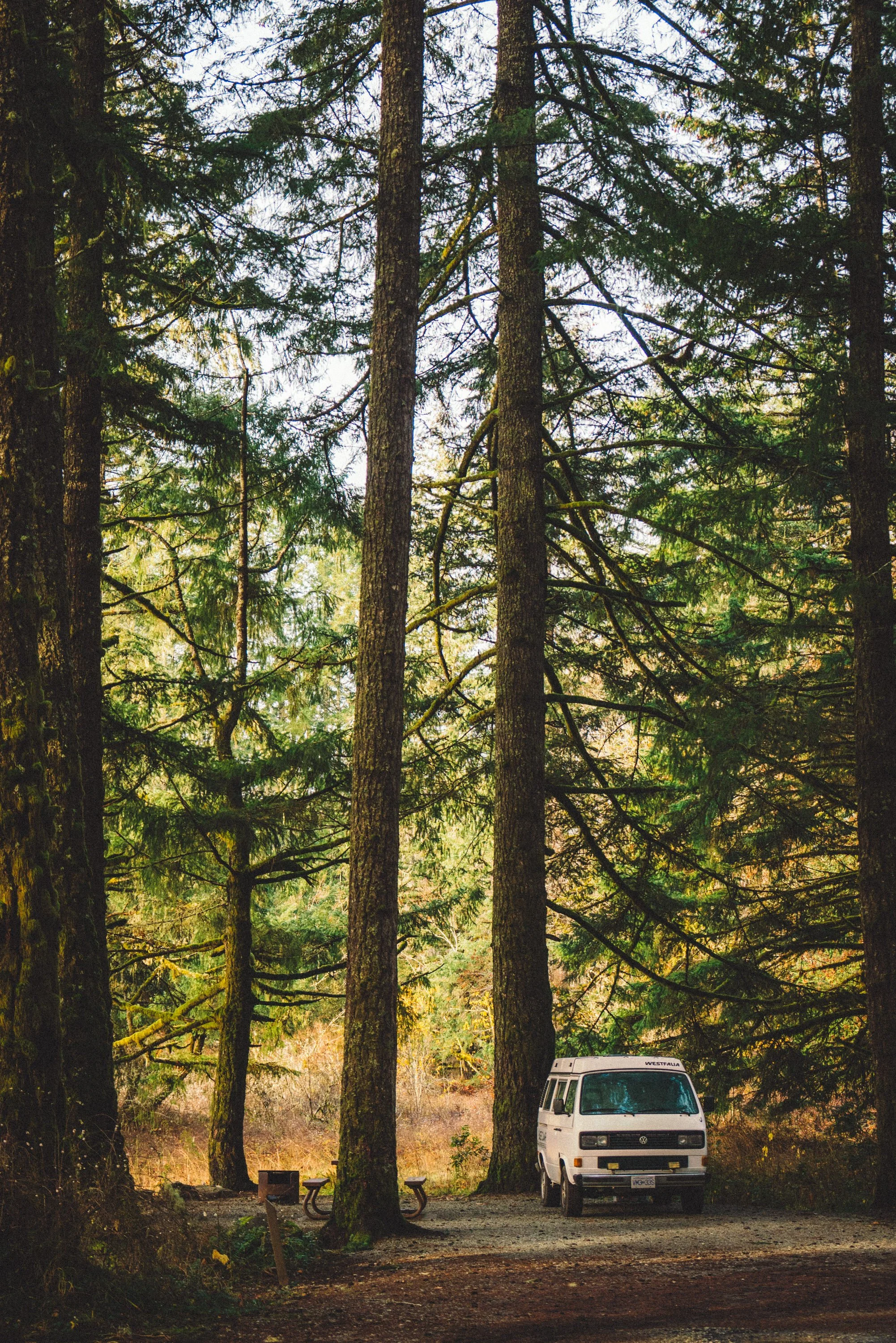
There’s a certain feeling you get when you pull into a spot beneath tall trees and shut the van off.
The engine ticks as it cools. The wind keeps moving through the canopy. A raven calls somewhere up the road, and all at once you realize the place was carrying on just fine before you got there, and it’ll keep carrying on after you leave. You’re just lucky enough to be there for a while.
That feeling is a big part of why I love travelling the Island in a Westy. Not because the van makes me feel bigger, freer, or more capable. It does the opposite. It makes me feel small in a good way.
You tuck into the edge of a forest road, or a quiet site near the ocean, and suddenly you’re not the main character anymore. The trees are. The tide is. The weather is. The light moving through the leaves is. You’ve got what you need with you, which means you don’t need much from the place itself. You can just be there for it.
To me, that’s what DTE (down to earth) travel actually feels like on Vancouver Island.
Not Here to Conquer
A lot of travel gets talked about like something to conquer.
Crush the hike. Hit the beach. Check off the viewpoint. See the whales. Pack the itinerary. Pose for the selfie. Move on.
But the best days I’ve had on this Island have never felt like that. The best ones are the days when I slowed down enough to let the place set the pace.
We don’t hike just to hike. We hike to stand at the edge of a bluff and feel the wind come up off the water. We walk rainforest trails to smell cedar, listen to the raindrops hit the ferns, and remember that some places still know how to be old. We kayak because being low to the still morning water changes what you notice. We go looking for whales not to say we did, but for the chance to witness something wild, living its own life, in its own home.
That’s the difference for me.
Down-to-earth travel is not about doing less just for the sake of simplicity. It’s about asking less of a place, so you can experience more of what it really is. Not conquering it. Not consuming it. Just meeting it properly.
Places That Still Feel Whole
One of the best things about Vancouver Island is that there are still places here that make you feel that smallness right away.
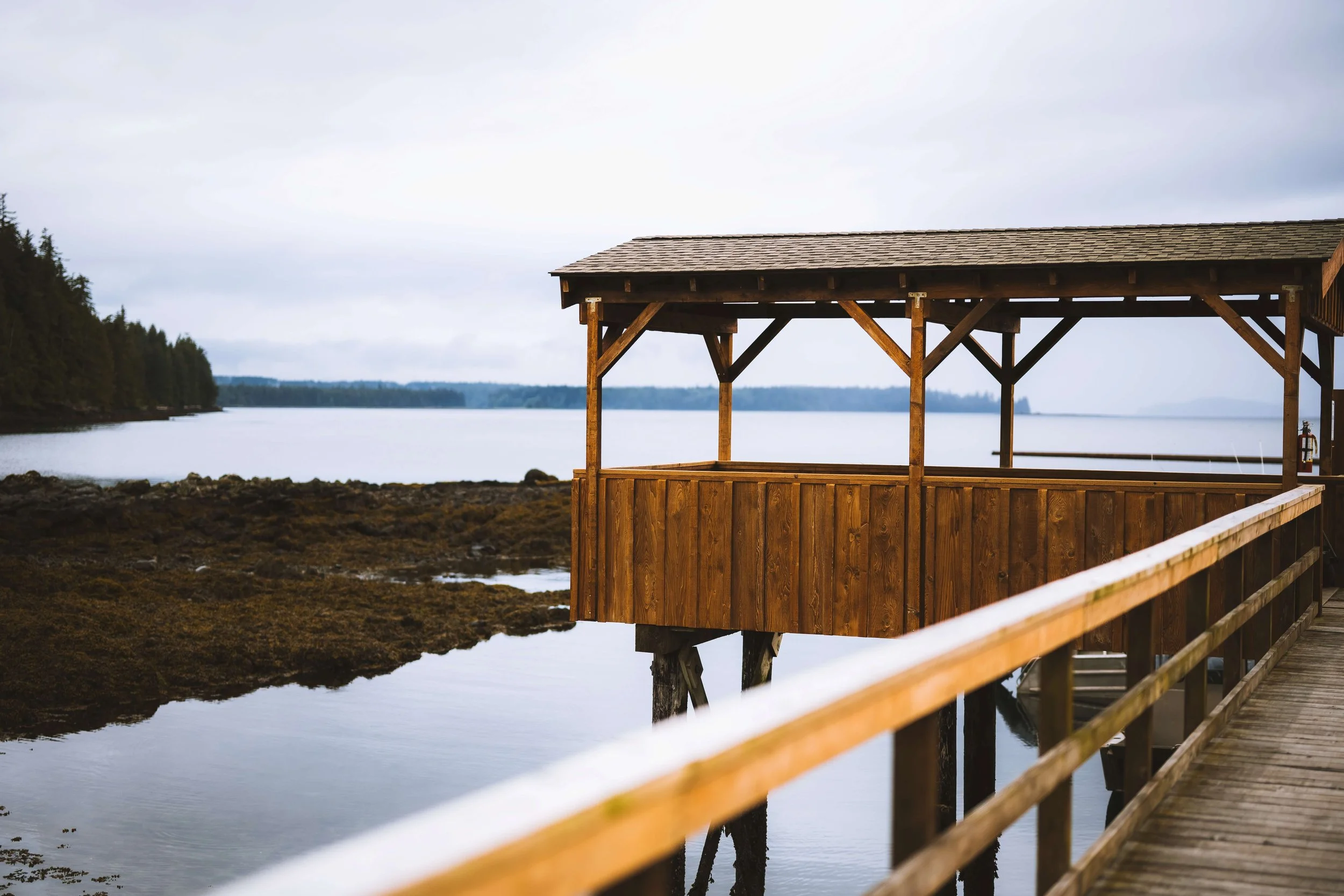
You feel it under the giant trees in Cathedral Grove, where everyone instinctively starts talking a little quieter. You feel it on wet coast rainforest trails, where the whole world smells like cedar, soil, and rain. You feel it farther north too, around Alder Bay and the Johnstone Strait, where the land starts to open up and the water carries that deeper, wilder feeling.
Those places matter because they still feel whole.
Not untouched, not frozen in time, but still whole enough to remind you that the natural world is not just scenery. It’s not a backdrop for a trip. It’s the reason for the trip.
That’s worth protecting, and I don’t just mean in some big abstract way. I mean in the simple choices we make every time we head out. How much we pack. How loud we are. What we leave behind. Which local businesses we support. Whether we move through a place like it was put there for us or like guests in someone's home.
How I Travel
I’ve noticed that the more grounded I feel in a place, the less I want to reach for my phone.
That probably sounds a bit funny coming from someone trying to write about these trips after the fact, but it’s true. A lot of the time, when something beautiful happens out here, my first instinct is not to document it. It’s to stay with it. A seal pops its head up offshore. The tide crashes into the rocks. The light shimmers on the water for about ten seconds, and then it’s gone. In those moments, the last thing I want is to be digging in my pocket, unlocking my phone, and trying to frame a shot while the whole thing is already moving on.
And honestly, that makes writing harder now.
I’ll sit down to tell a story and think, dang, I really wish I took a picture of that. It would fit so well right here. But in the moment, I usually don’t care whether I’ll ever get to share it. I don’t need to prove it happened to know it mattered to me. I just want to be there for it while it’s happening.
To me, that’s part of being DTE too.
It’s slowing down enough to let a moment land without you thinking about what to do with it. It’s letting the shoreline be a shoreline, not content. Letting wildlife be wildlife, not just an encounter to post. Letting a place stay bigger than you need to bring a piece of it home.
That said, I’ve also come to really appreciate the beauty on the other side of that.
My partner has a real eye for those small, intimate moments. When we’re out on a hike or walking a beach, she sees things differently than I do. The way the light hits the edge of the leaves. The little expressions in a quiet moment that most people walk right past. There’s an artistry in going out with that intention, not to take from the experience, but to notice it deeply enough to frame something beautiful.
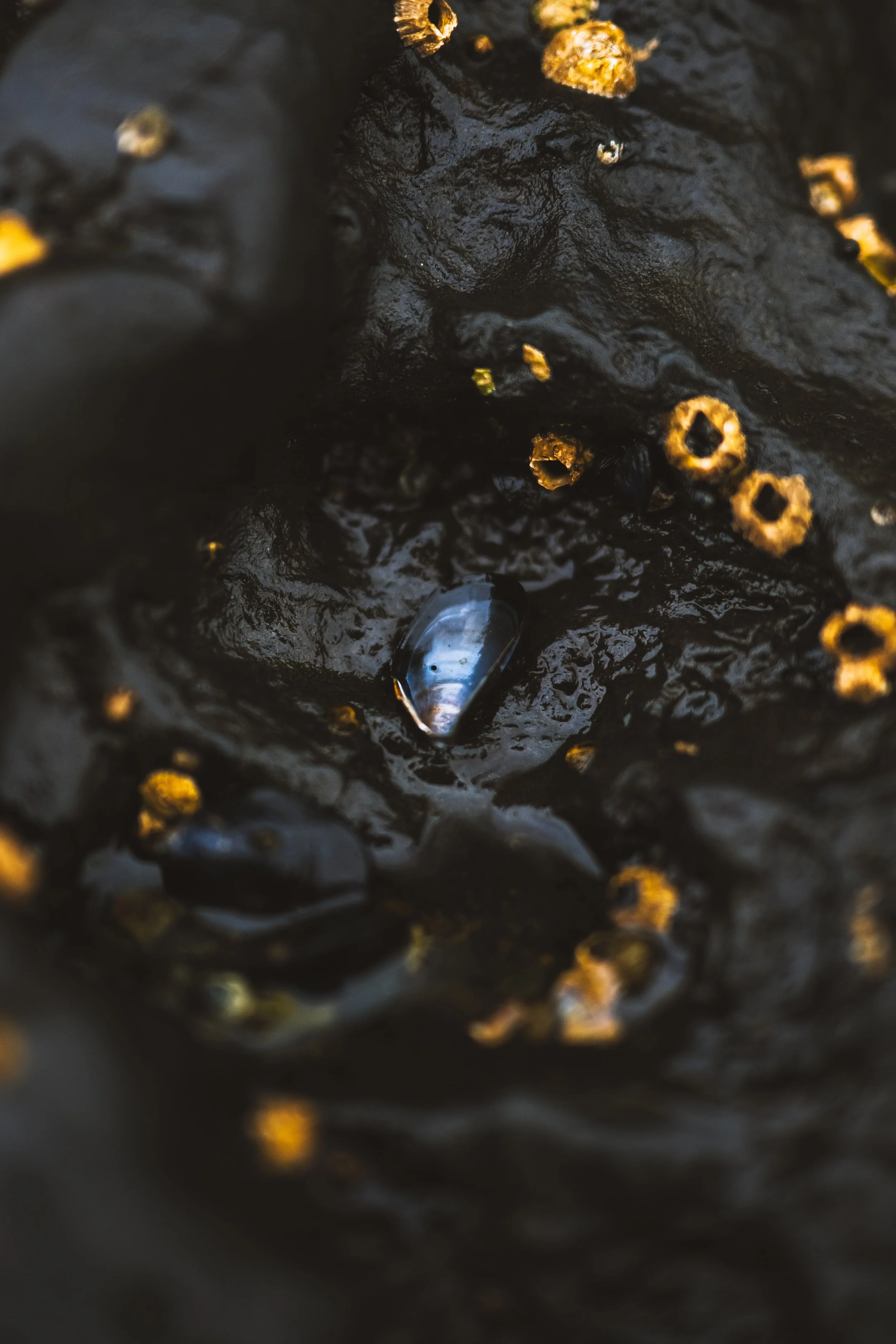
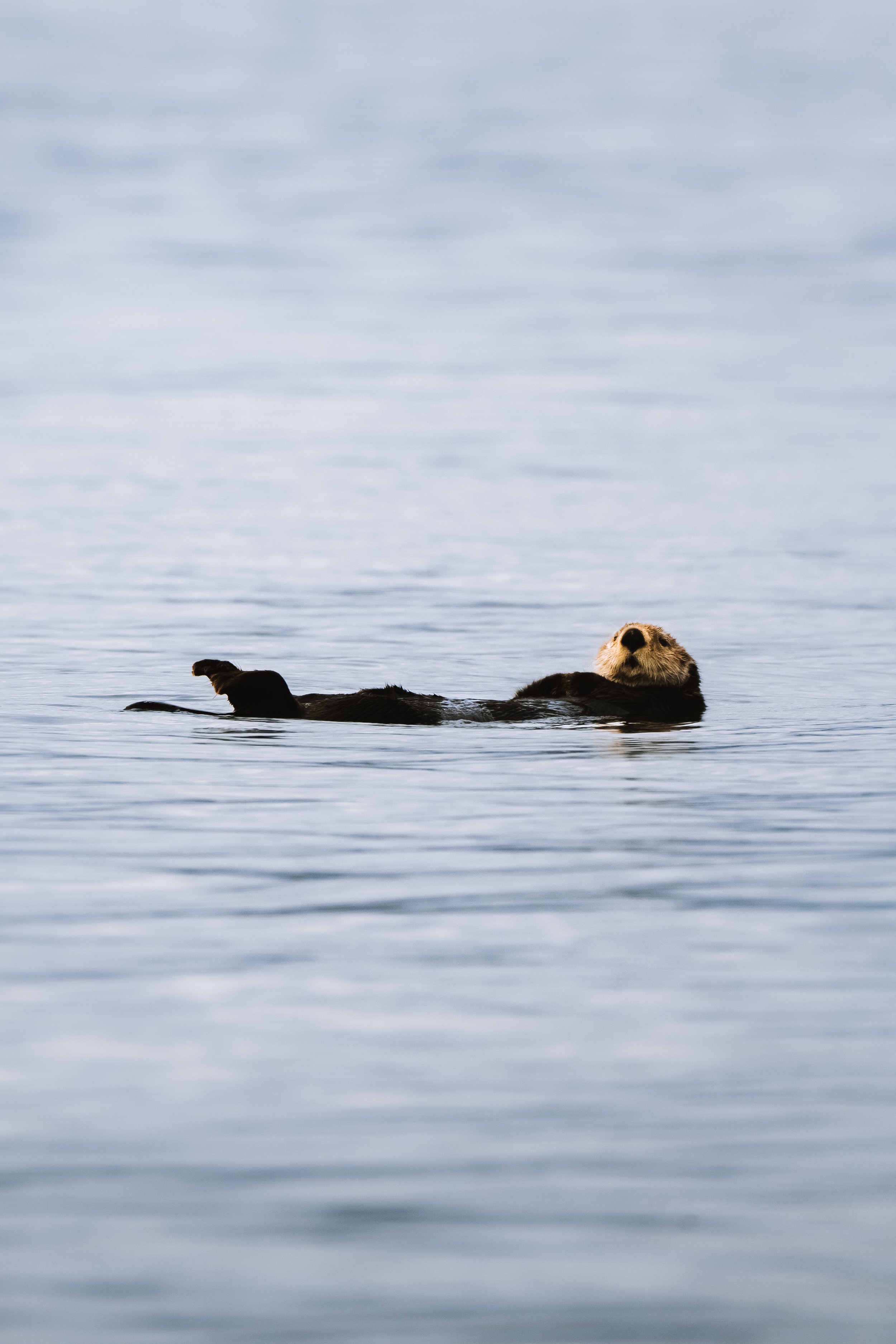
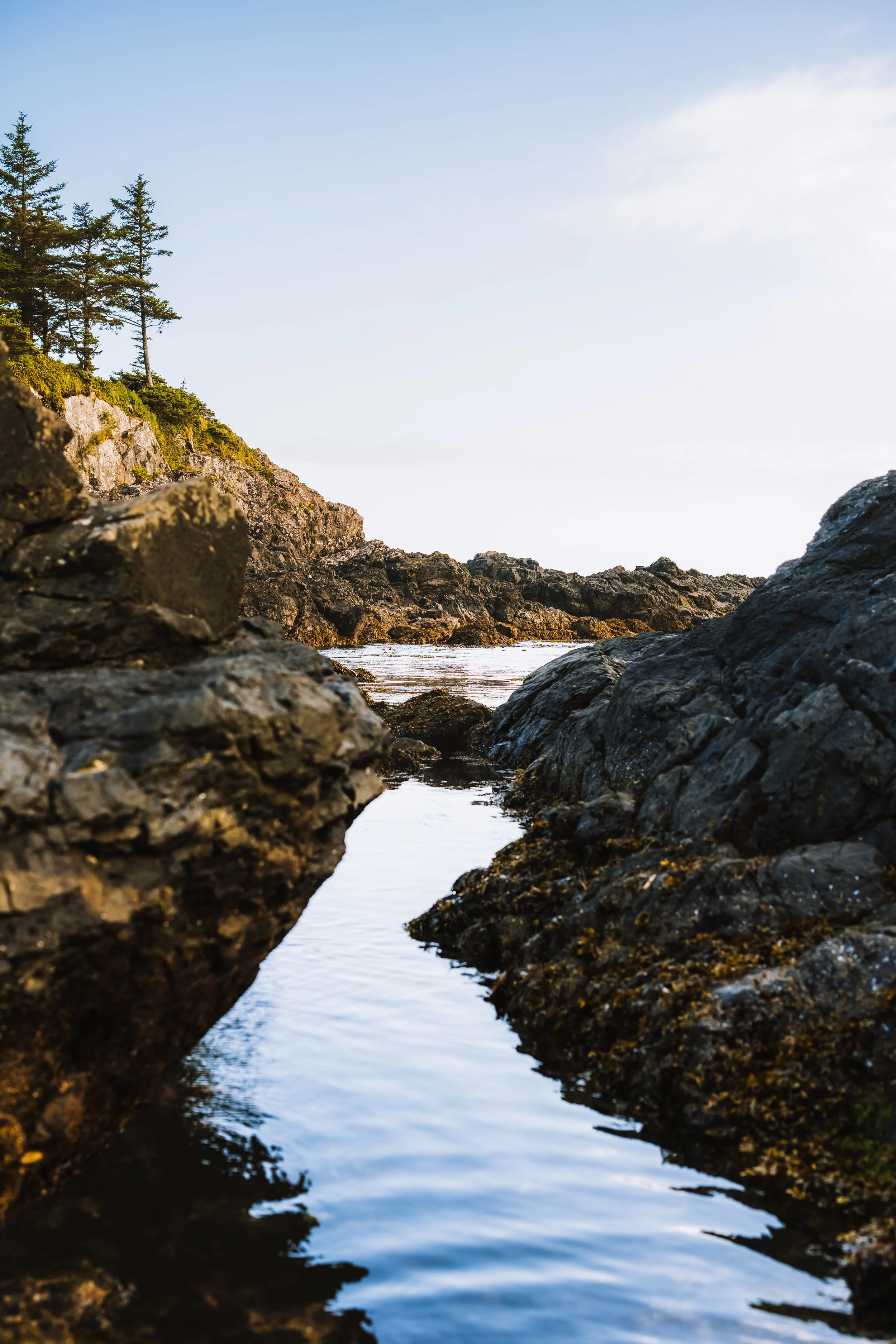
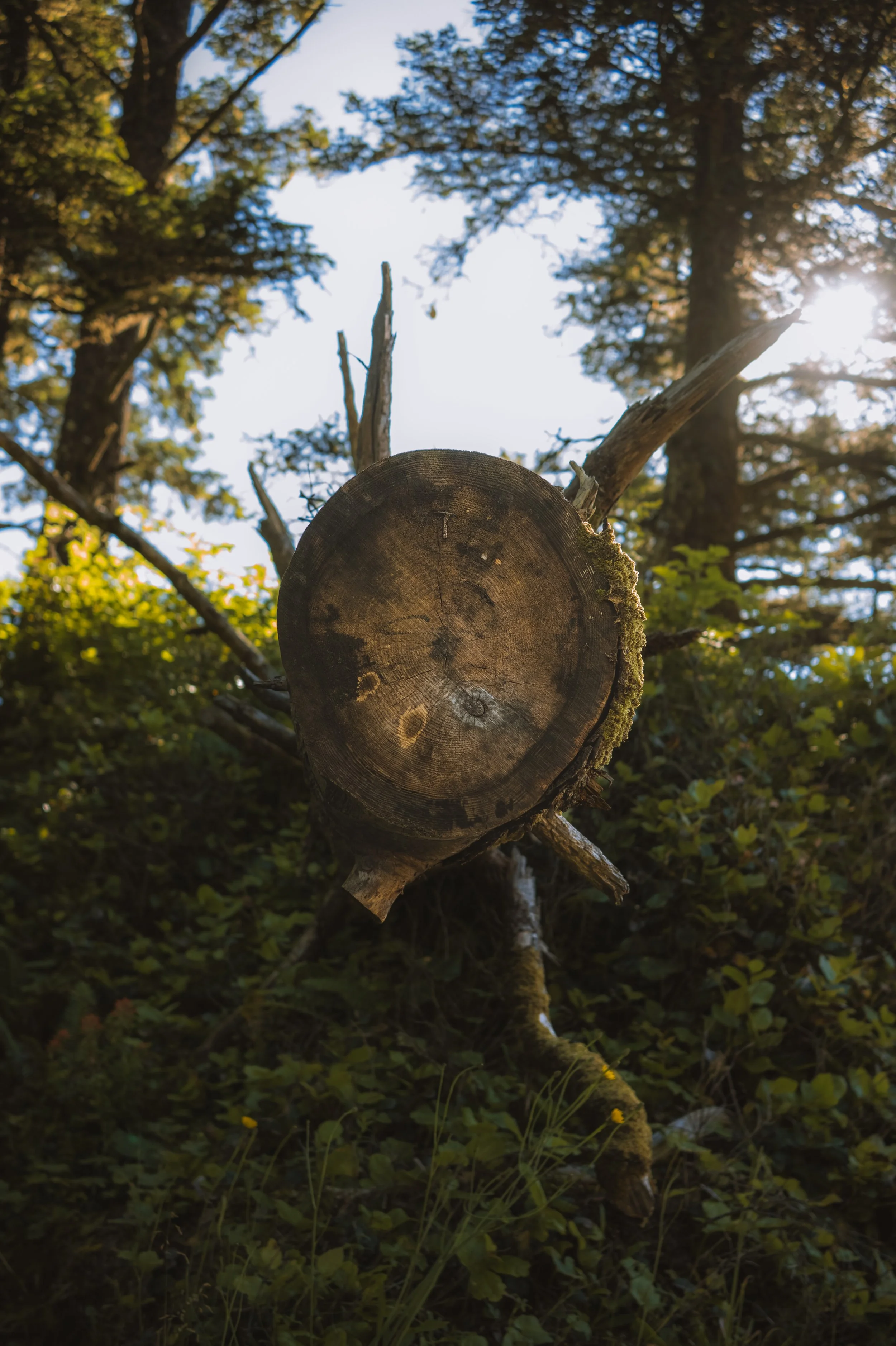
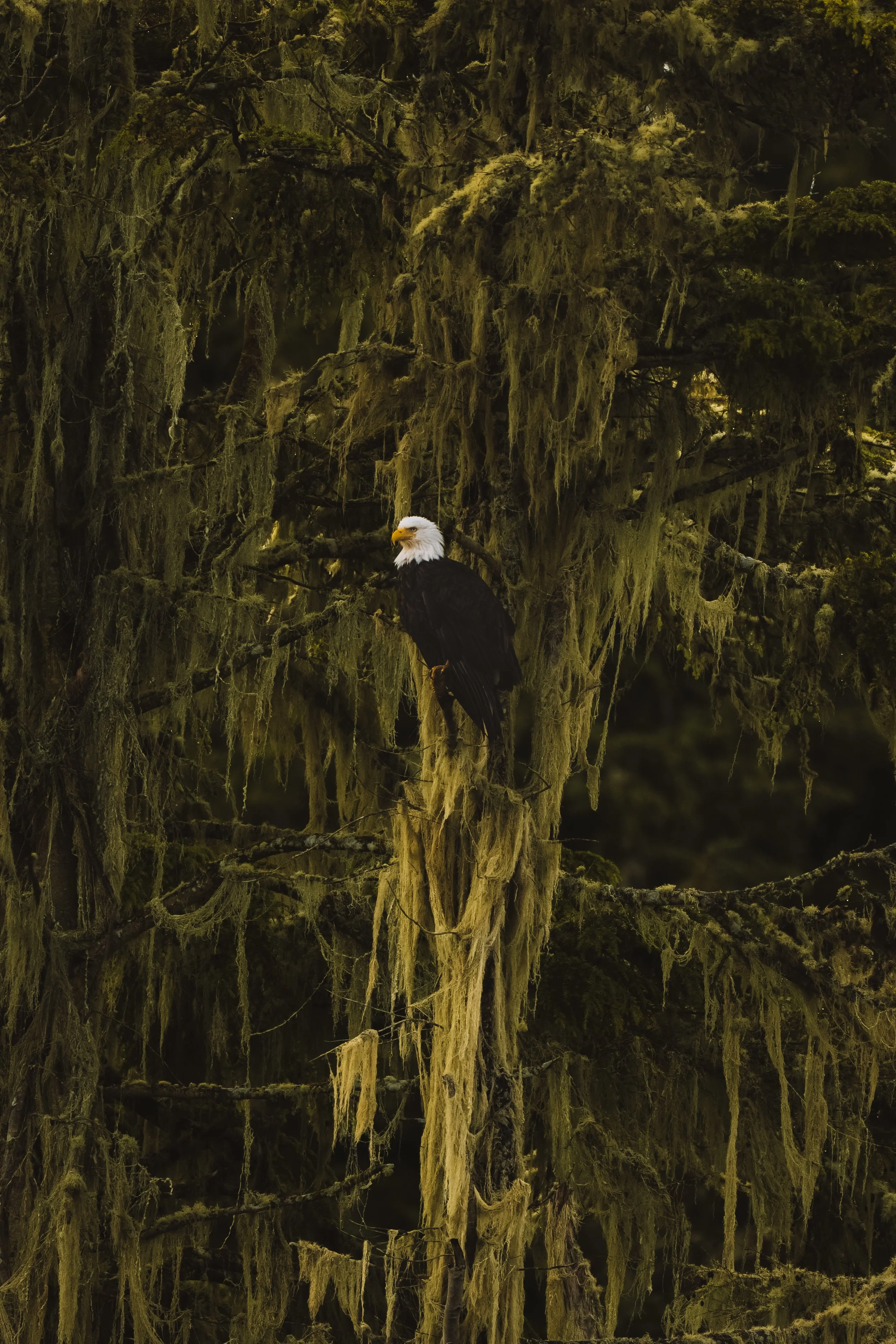
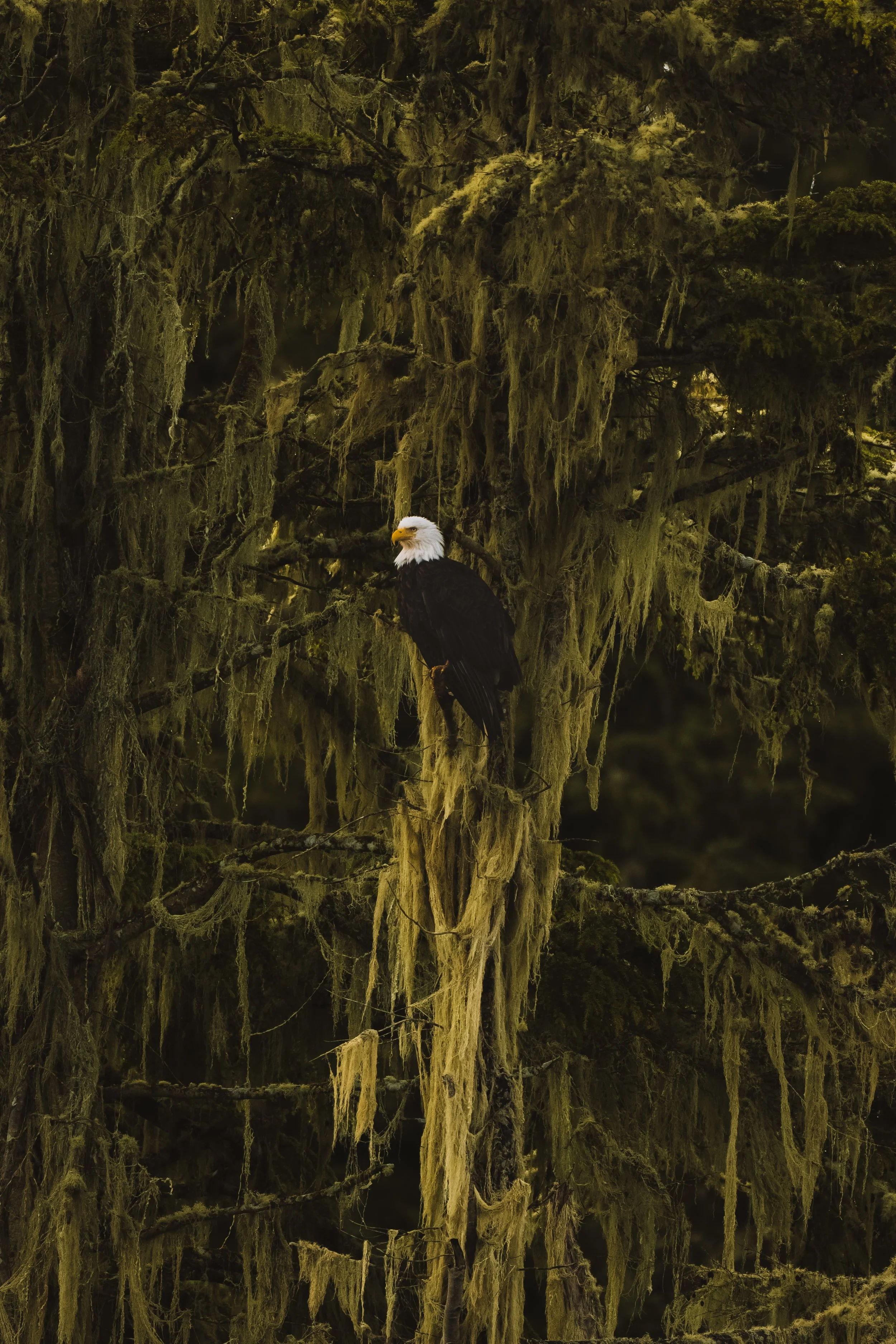
I love that we move through those moments differently.
I get to disappear into them for a bit, just be there and feel them as they happen. She finds a way to hold onto them, carefully, honestly, and give them back some shape later. In a way, we complete each other like that. I stay present, and she helps keep a piece of that feeling alive.
A Better Way to Sea Life
That same idea is why I really respect what Sea Smoke is doing up at Alder Bay.
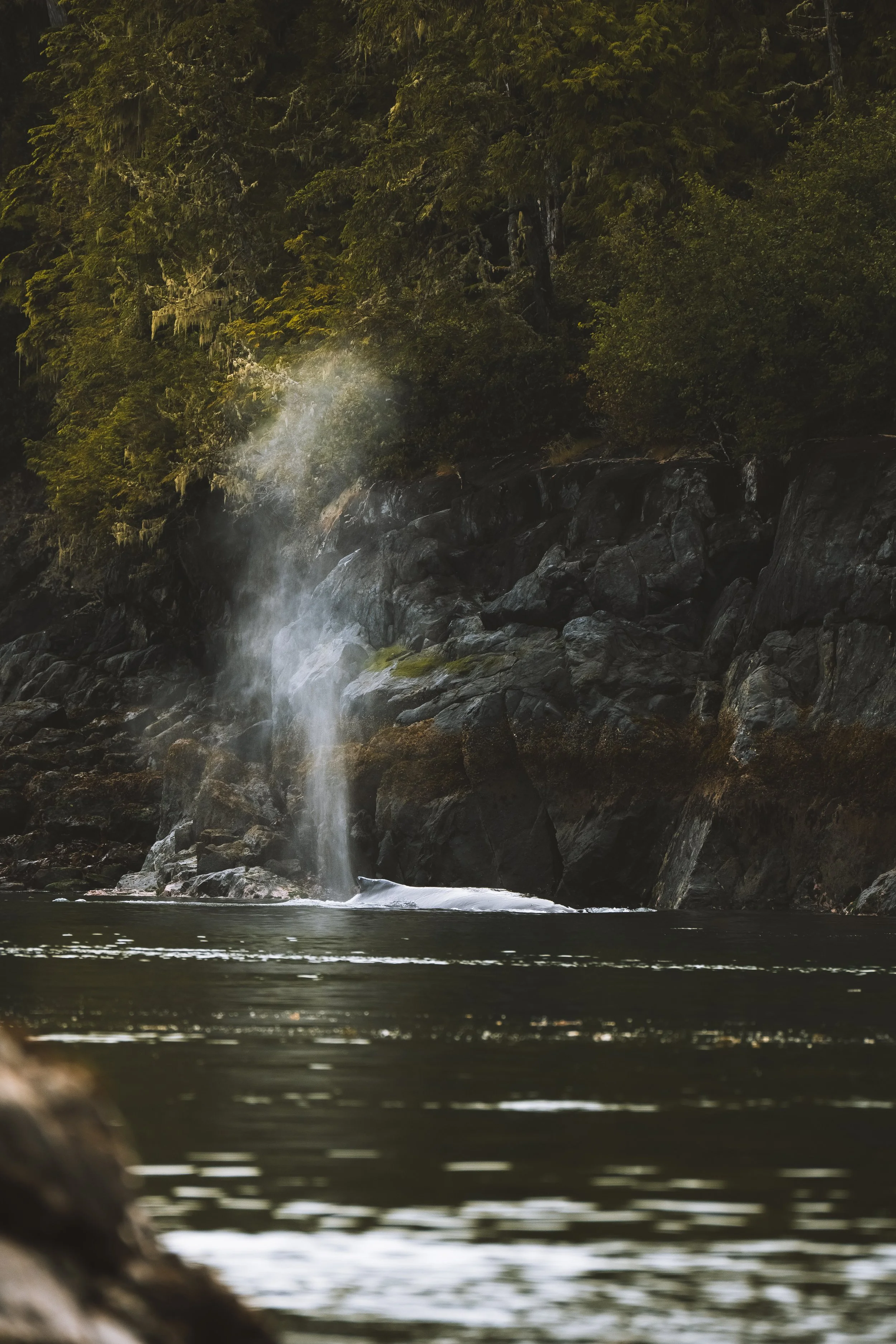
Whale watching can go one of two ways. It can feel crowded, performative, and a bit too eager to turn wildlife into a product. Or it can feel more like what it should be: a rare chance to enter another world carefully and respectfully, to witness something bigger than ourselves.
The Sea Smoke Whale Watching trips lean hard into that second feeling.
To me, it’s like a DTE Canadian outback safari. Because it puts you right on the edge of a living ecosystem and asks you to pay attention. The guides don’t treat the animals like attractions. They stay active with conservationists and local fishermen, share information, and carry themselves like people who actually care about the lives moving through the waters. That comes through when you’re out there.
And being out there felt a lot like the kind of travel I’m trying to describe in this post.
I got to be fully in the moment. Not thinking about how to package it, not trying to get ahead of it, not trying to make it into anything more than it already was. Just watching, listening, and feeling how small we really are out there in the best possible way.
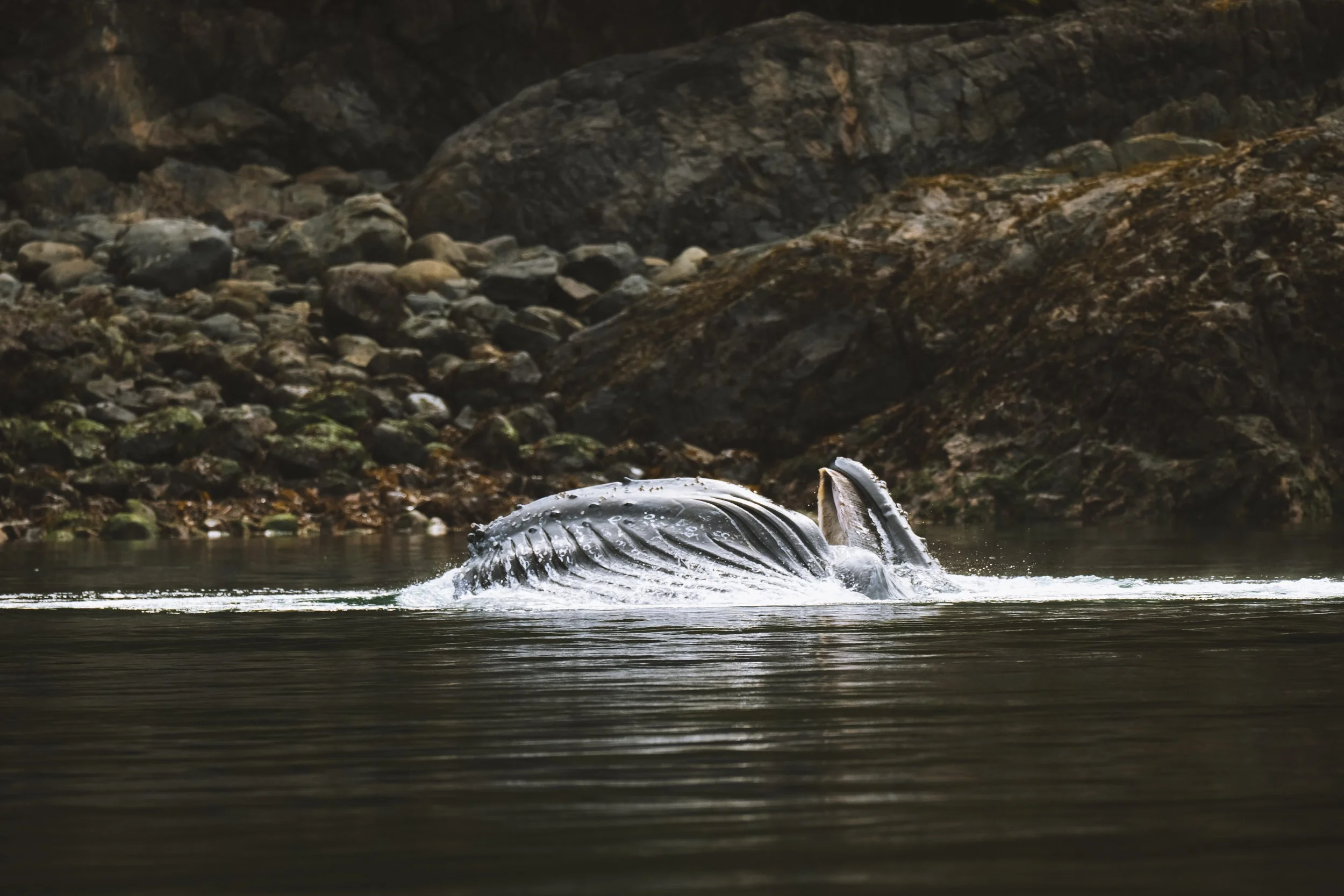
At the same time, my partner got to do what she does so well. She was able to frame some of those beautiful moments with real care, and I’m grateful for that now. It lets us both experience the same thing, honestly, just in different ways.
And I think that’s part of what made it feel so right. Nothing about it asked us to force the moment. The place was enough. The wildlife was enough. The experience was enough.
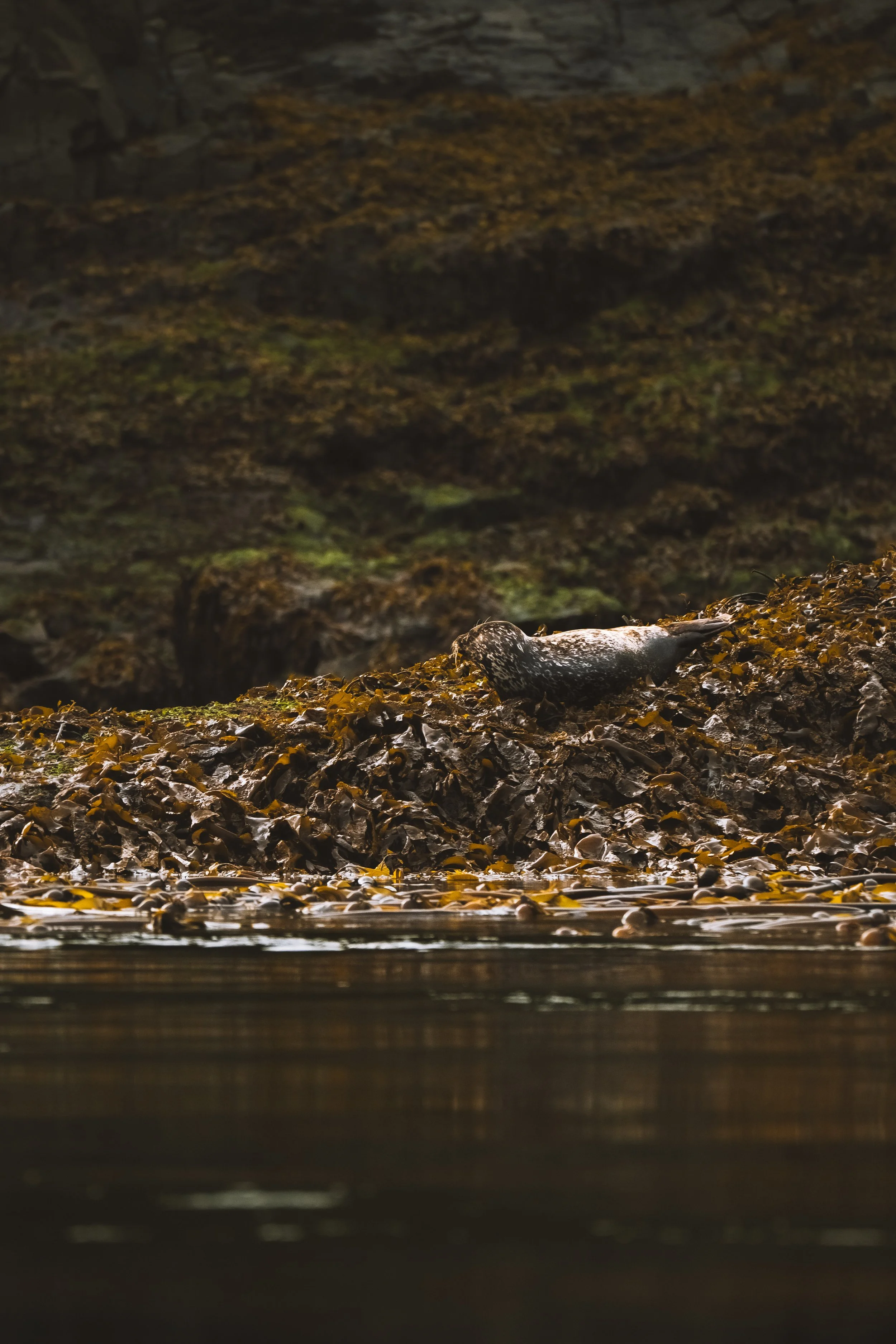
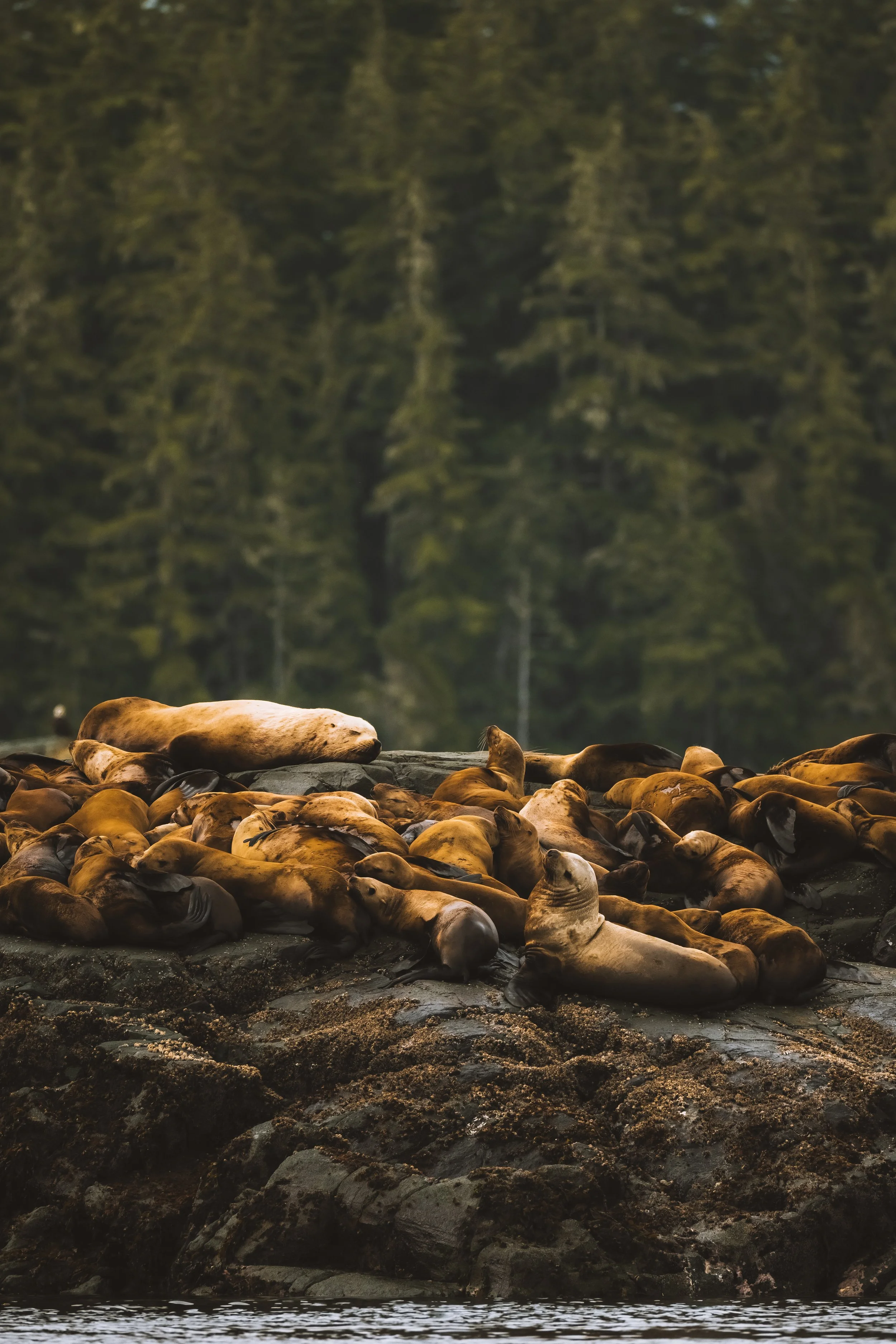
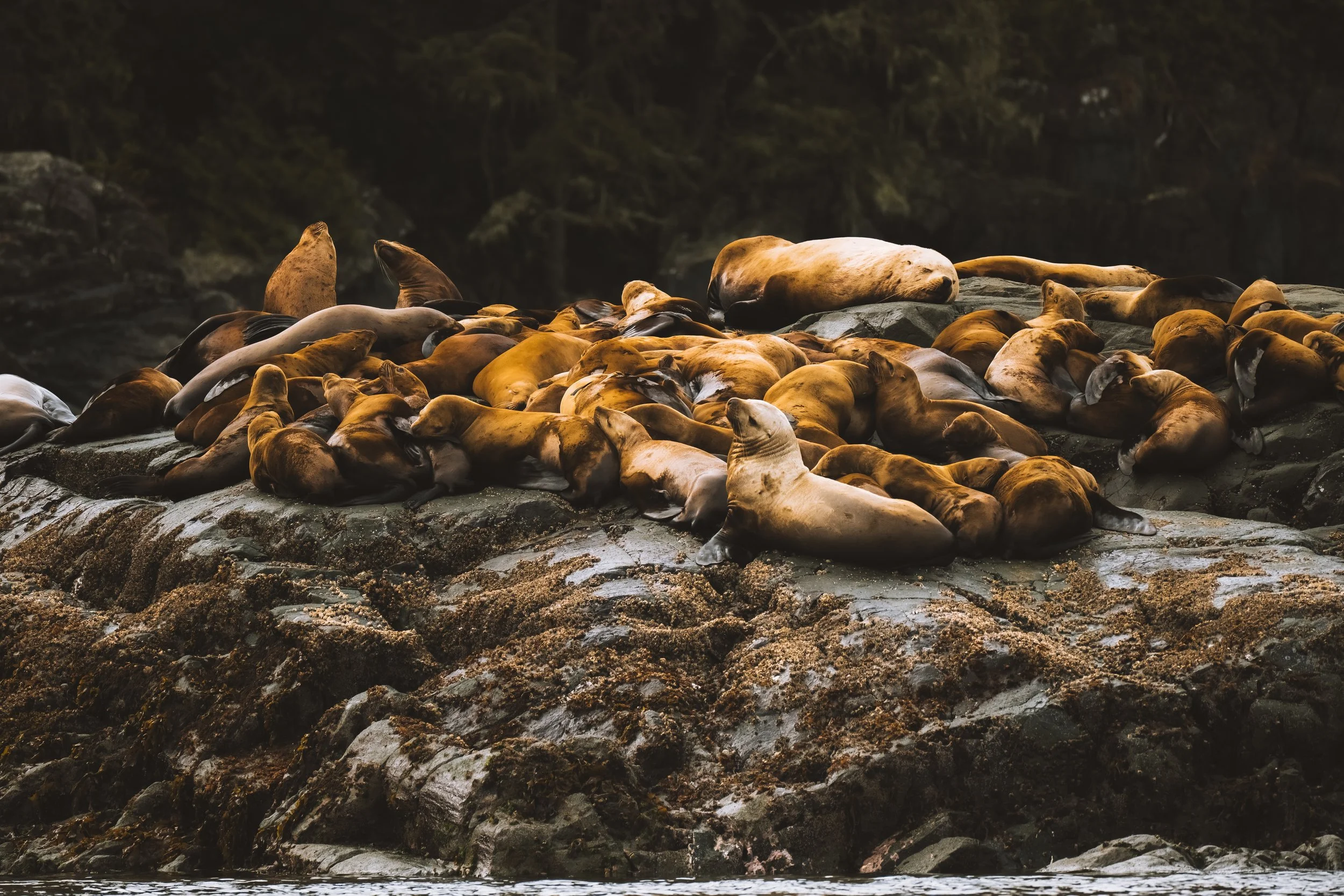
When Nate and Jeannine, the operator, respect the place, you do too. You stop thinking only about the photo or the bucket list moment, and start thinking about the water, the migration, the food chain, the shoreline, the lives under and above the surface. You come away with more than a sighting. You come away with perspective.
Are You DTE? (Down to Earth)
I think that’s why this kind of travel sticks with people.
Not because I checked off the most stops, or covered the most kilometres, or came home with the best story for the internet. It sticks because, for a little while, I felt part of something bigger without needing to take it over. I slowed down. I paid attention.
I got to feel what it’s like to stand still while the world carries on around me.
And realized that’s more than enough.
That’s the kind of trip I believe in. The kind where the shoreline, the forest, and the water get to stay the main character, and I just get to be there for it. That’s the kind of trip we believe in at Base Camp, too, quietly, simply, and with a lot of respect for the places people come here to experience.
Are you “Down to Earth”?